
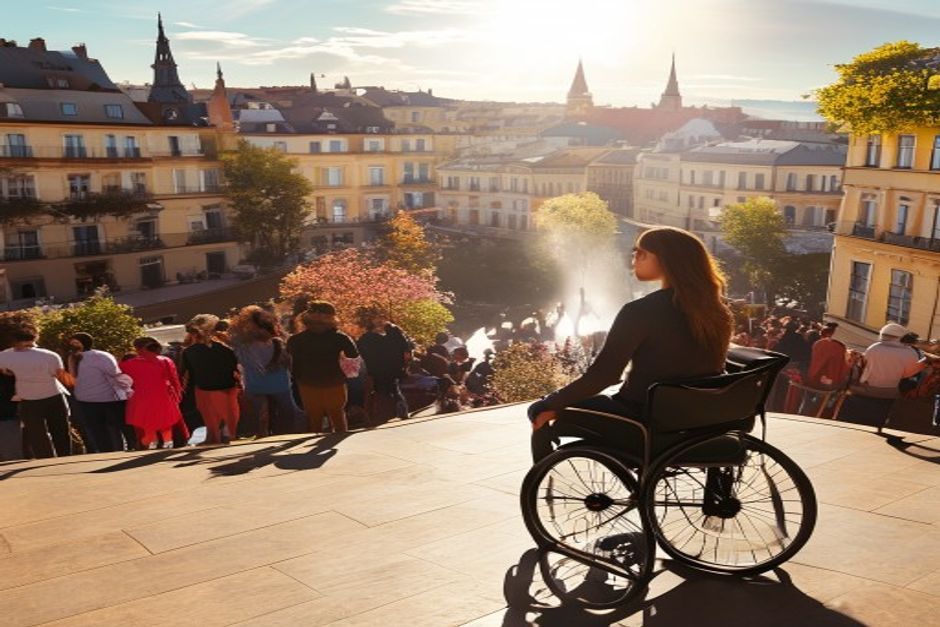
Exploring Europe with Ease: A Guide to Wheelchair-Friendly City Breaks
Europe, a continent renowned for its rich history, diverse cultures, and stunning landscapes, has long captured the imagination of travelers worldwide. For those navigating the world from a wheelchair, the dream of exploring Europe's charming cities is becoming an increasingly accessible reality. Gone are the days when accessible travel felt like an insurmountable challenge; today, many wheelchair accessible Europe cities are actively working to enhance their infrastructure, ensuring unforgettable experiences for all.
This comprehensive guide is designed to empower you with the knowledge and confidence to plan your next European adventure. We'll delve into what makes a city truly accessible, highlight some of the continent's most wheelchair-friendly destinations, and provide essential tips to make your journey as smooth and enjoyable as possible.
Why Choose Europe for Your Accessible City Break?
Europe's appeal for travelers with disabilities is multifaceted:
- Improving Infrastructure: Many European cities are continually investing in accessible public transport, ramped pavements, and accessible attractions.
- Rich Cultural Experiences: From ancient ruins to modern art, Europe offers unparalleled cultural immersion that's increasingly within reach.
- Diverse Landscapes: Whether you prefer bustling urban centers, tranquil parks, or coastal views, Europe has a city to match your preference.
- Strong Disability Rights: Many European countries have robust legislation protecting the rights of people with disabilities, translating into better accessibility standards.
The journey to discover wheelchair accessible Europe cities is not just about overcoming physical barriers; it's about embracing new cultures, creating lasting memories, and proving that travel truly is for everyone.
Key Considerations for Planning Your Accessible European Adventure
Before you pack your bags, a little foresight goes a long way in ensuring a seamless trip.
Research is Your Best Friend
- City-Specific Accessibility Guides: Many cities now offer dedicated online guides for accessible travel.
- Public Transport: Investigate metro, tram, and bus accessibility. Look for step-free access, designated spaces, and audio announcements.
- Accommodation: Prioritize hotels that explicitly state 'wheelchair accessible rooms' with features like roll-in showers, grab bars, and ample space. Don't hesitate to call and confirm specifics.
- Attractions: Check websites or call ahead to confirm ramp access, accessible restrooms, and any specific assistance available at museums, galleries, and historical sites.
Packing Smart
- Portable Ramps: Consider a lightweight, portable ramp for unexpected steps or tricky thresholds.
- Spare Parts/Repair Kit: For manual or electric wheelchairs, having essential tools or spare parts can be a lifesaver.
- Medication & Prescriptions: Carry a detailed list of your medications and prescriptions, including generic names, in case of emergencies.
Communication and Assistance
- Learn Key Phrases: A few basic phrases in the local language (e.g., 'accessible entrance', 'restroom', 'help') can be very useful.
- Travel Insurance: Ensure your policy covers pre-existing conditions and any specific mobility equipment.
- Pre-book Assistance: If you require assistance at airports or train stations, always pre-book it well in advance.
Top Wheelchair Accessible Europe Cities to Explore
While accessibility is a journey, not a destination, several European cities stand out for their commitment to inclusive travel.
Amsterdam, Netherlands
Renowned for its flat terrain and extensive network of canals, Amsterdam is remarkably wheelchair accessible Europe cities for its charm and ease of navigation.
- Public Transport: Trams and buses are largely accessible, and many canal boats offer wheelchair access.
- Attractions: Major museums like the Rijksmuseum and Van Gogh Museum are highly accessible. Exploring the Anne Frank House requires pre-booked special assistance due to its historic structure, but access is possible.
- Pavements: While some older streets have cobblestones, main thoroughfares and pedestrian areas are generally smooth.
Barcelona, Spain
Barcelona boasts a modern, integrated approach to accessibility, making it a fantastic choice.
- Public Transport: The city's metro system is one of Europe's most accessible, with 100% of stations having lifts. Buses are also low-floor and ramp-equipped.
- Attractions: Gaudi's masterpieces like Sagrada Familia and Park Güell (with accessible routes) are largely accessible. The wide, flat promenades along the beach are perfect for strolling.
- Pavements: Wide, well-maintained sidewalks make getting around a breeze.
Berlin, Germany
As a city rebuilt and revitalized, Berlin has accessibility deeply embedded in its modern infrastructure.
- Public Transport: The U-Bahn and S-Bahn systems are progressively accessible, with most stations having lifts. Low-floor buses and trams are standard.
- Attractions: Historical sites like the Brandenburg Gate, Reichstag Building (pre-booking required for accessible access), and numerous museums on Museum Island are well-equipped for wheelchair users.
- Pavements: Generally flat and well-paved, Berlin is a pleasure to navigate.
London, United Kingdom
A global metropolis, London has made significant strides in becoming a wheelchair accessible Europe city.
- Public Transport: The iconic London Underground has an increasing number of step-free stations, and all buses are low-floor and accessible. Taxis (black cabs) are also wheelchair-friendly.
- Attractions: Most major attractions, including the British Museum, Tower of London, and the London Eye, offer excellent accessibility features.
- Pavements: While some older areas have uneven surfaces, major tourist routes and shopping districts generally have good pavements.
Tips for a Smooth and Enjoyable Accessible European City Break
Beyond choosing your destination, these practical tips will enhance your travel experience.
- Book in Advance: This applies to flights, accommodation, and often popular attractions, especially for accessible options which can be limited.
- Communicate Clearly: When booking, clearly state your specific accessibility needs (e.g., 'roll-in shower', 'space for electric wheelchair', 'airport assistance').
- Consider a Travel Agent Specializing in Accessible Travel: They can offer invaluable insights and handle complex arrangements.
- Download Offline Maps: Google Maps can highlight accessible routes, but offline maps are crucial when Wi-Fi is scarce.
- Pace Yourself: European cities offer so much to see; don't try to cram too much into one day. Allow for rest and spontaneous exploration.
- Embrace Flexibility: Despite best plans, unexpected accessibility challenges can arise. A positive attitude and willingness to adapt will make all the difference.
Embracing the Journey: Your European Adventure Awaits
Exploring Europe from a wheelchair is not just possible; it's an incredibly rewarding experience that opens up a world of cultural discovery, historical wonder, and delicious cuisine. With careful planning, a positive outlook, and a focus on wheelchair accessible Europe cities, your next city break can be one of ease, joy, and unforgettable memories.
The continent is continuously evolving, striving for greater inclusivity. So, choose your dream destination, do your research, and prepare to embark on an adventure that truly knows no bounds. Europe awaits!