
Andy's Blog

Andy's Blog

Talk is definitely NOT cheap!

al Travel

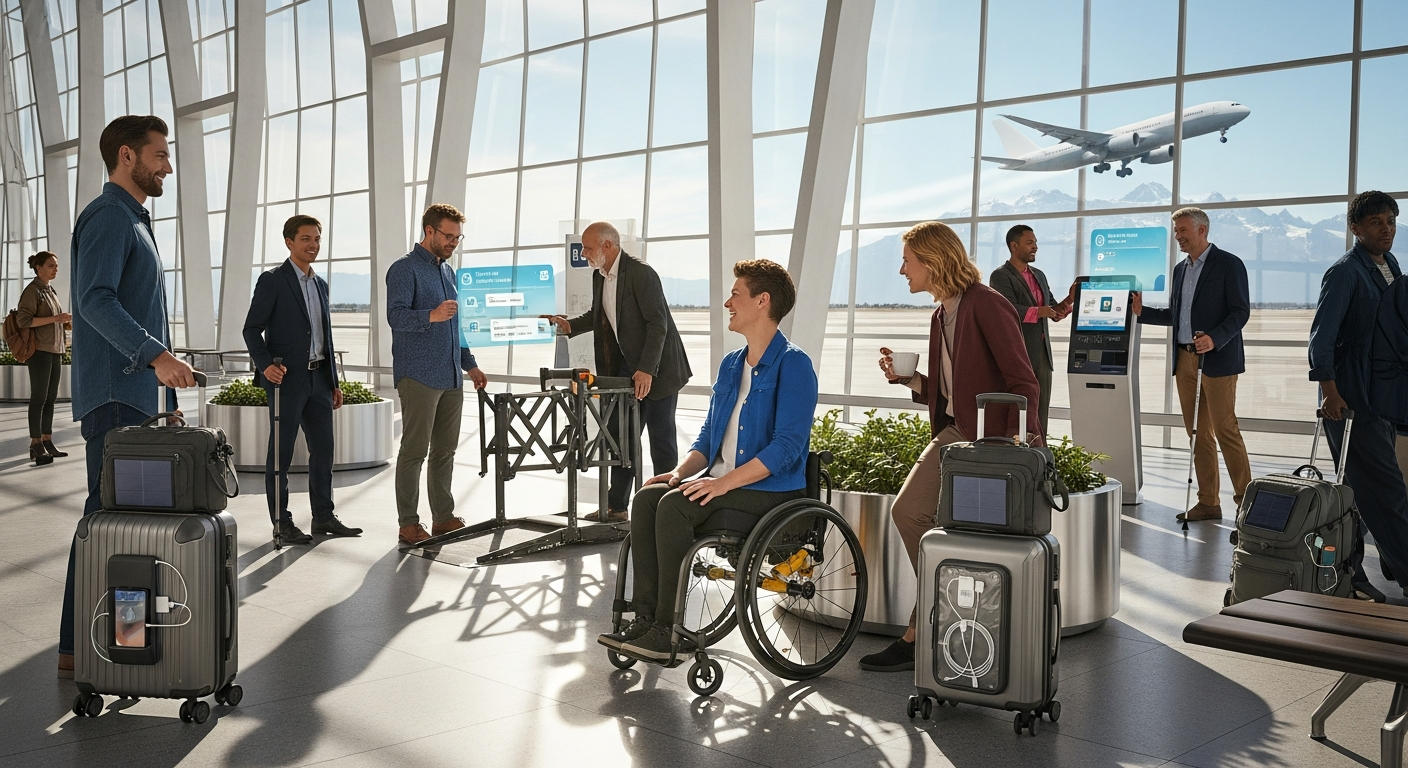
For many, the allure of international travel is an irresistible call to explore new cultures, savor exotic flavors, and create unforgettable memories. For travelers with disabilities, this call is just as strong, if not stronger, embodying a spirit of determination and adventure. The key to transforming these dreams into smooth, enjoyable realities often lies in meticulous planning and, crucially, selecting the right accessible international travel gear.

Embarking on a global journey requires more than just a passport; it demands a thoughtfully curated collection of items designed to enhance comfort, ensure safety, and maximize independence. This comprehensive guide will delve into the essential gear categories that empower travelers with disabilities to confidently navigate the world, making every adventure a truly accessible one.

Navigating the World with Confidence: Why Gear Matters

Imagine arriving in a bustling foreign city, ready to immerse yourself in its wonders, only to find a small step blocking your path or a crucial piece of information lost in translation. While spontaneity is part of travel's charm, preparedness is its bedrock, especially when managing specific accessibility needs. Investing in specialized accessible international travel gear isn't just about convenience; it's about peace of mind, self-reliance, and opening doors to experiences that might otherwise remain out of reach. From innovative mobility solutions to sophisticated communication aids, the right equipment acts as your trusted companion, making the unfamiliar feel manageable and exciting.

The Core Four: Mobility, Health, Communication, and Comfort

To simplify the vast world of travel essentials, we've broken them down into four critical pillars. Each category addresses a distinct aspect of accessible travel, ensuring a holistic approach to your packing list.

Mobility Solutions: Your Global Co-Pilots

Mobility is often the first consideration for accessible travel. Modern innovations have revolutionized what's possible, offering incredible flexibility and reliability.

Smart Wheelchairs & Scooters

  • Lightweight, Foldable Models: Look for power chairs or scooters designed for travel. Many models now fold compactly or disassemble easily, fitting into airplane cargo holds without hassle. Prioritize lithium-ion batteries that meet airline safety regulations (usually under 300 Wh).
  • Manual Wheelchairs: Opt for ultra-lightweight, durable frames. Consider all-terrain wheels if your itinerary includes varied landscapes.
  • Maintenance Kits: A small kit with basic tools (e.g., Allen wrenches, tire repair kit) can be a lifesaver for minor adjustments or repairs on the go.

Portable Ramps & Transfer Aids

  • Compact Folding Ramps: Even if you've confirmed accessibility, a small, portable ramp can bridge unexpected gaps, steps, or thresholds. Look for lightweight aluminum or carbon fiber options.
  • Transfer Boards & Slings: Essential for safe transfers in bathrooms or to different seating. Ensure they are travel-sized and easy to clean.

Walking Aids & Canes

  • Foldable Canes/Crutches: Easily stored in a carry-on, providing stability when needed. Adjustable height is key.
  • Rollators: Modern rollators are often lightweight, foldable, and feature comfortable seats for rest stops, making them excellent companions for navigating airports or long city walks.

GPS & Navigation Devices

  • Accessible Mapping Apps: Apps like 'Wheelmap' or 'AccessNow' offer user-generated accessibility information. Ensure your chosen apps have offline map capabilities.
  • GPS Trackers: For peace of mind, attach a small tracker to your mobility device or luggage.

Health & Wellness: Prioritizing Your Well-being Abroad

Managing health needs internationally requires foresight and organization. Proactive planning ensures uninterrupted care and quick responses to unforeseen situations.

Medical Documentation & Emergency Info

  • Comprehensive Medical Summary: Carry a concise summary of your conditions, medications (generic names), allergies, and emergency contacts. Have it translated into the local language(s) if possible.
  • Digital Copies: Store scanned copies of all prescriptions, insurance cards, and medical documents on a cloud service or encrypted USB drive.

Medication Management

  • Original Packaging: Keep all medications in their original, clearly labeled containers to avoid issues with customs.
  • Extra Supply: Pack more medication than you anticipate needing in case of delays or loss.
  • Temperature Control: If medications require refrigeration, invest in a portable medical cooler or insulated bag with gel packs.

Personal Hygiene & Accessibility Aids

  • Travel-sized Adaptive Toiletries: Specialized products that are easier to use for various fine motor skill levels.
  • Portable Shower Chairs/Benches: Lightweight, collapsible options can make hotel bathrooms more accessible.

First-Aid & Emergency Kits

  • Personalized Kit: Beyond standard bandages, include items specific to your needs (e.g., extra catheter supplies, specific wound care).
  • Emergency Contact Cards: Clearly list local emergency numbers and your translated medical information.

Communication & Connectivity: Staying Connected, Staying Safe

In an interconnected world, communication tools are vital for navigation, safety, and enhancing your travel experience.

Universal Power Adapters & Portable Chargers

  • Worldwide Adapter: A single adapter with multiple plug types is indispensable for charging all your devices.
  • High-Capacity Power Bank: Essential for keeping phones, tablets, and even some medical devices charged on the go, especially during long transit times.

Accessible Communication Apps

  • Translation Apps: Apps with real-time voice translation can bridge language barriers effectively.
  • Dictation & Text-to-Speech Apps: Useful for those with speech impediments or visual impairments.
  • Emergency Alert Apps: Research local emergency apps or services available in your destination.

Personal Safety Devices

  • Medical Alert Systems: Consider a travel-friendly alert system that can connect you to emergency services or contacts.
  • Personal Alarms: Small, loud alarms can deter potential threats and draw attention if needed.

Travel Documentation Organizers

  • Accessible Passport/Document Holder: Keep your passport, visas, tickets, and insurance details organized and easily accessible. Look for large-print options or tactile indicators.

Comfort & Convenience: Enhancing Your Journey

Long journeys can be taxing. Gear designed for comfort and convenience can significantly improve your overall experience.

Ergonomic Travel Pillows & Cushions

  • Supportive Cushions: For plane seats or long car rides, a high-quality pressure-relief cushion can prevent discomfort and skin integrity issues.
  • Neck & Lumbar Pillows: Provide crucial support during transit, helping you arrive refreshed.

Adaptive Clothing & Footwear

  • Easy-Wear Garments: Clothing with magnetic closures, Velcro, or pull-on designs simplifies dressing.
  • Comfortable, Supportive Shoes: Crucial for stability and long days of sightseeing.

Specialized Luggage & Backpacks

  • Easy-Maneuver Rolling Luggage: Lightweight suitcases with spinner wheels are a must. Look for accessible handles.
  • Ergonomic Backpacks: For personal items, a backpack with easily accessible compartments and good weight distribution is ideal.

Sensory Comfort Items

  • Noise-Cancelling Headphones: Create a quiet oasis in noisy environments.
  • Sleep Masks & Earplugs: Aid in rest during travel and in unfamiliar accommodations.

Pre-Trip Checklist: More Than Just Packing

Beyond just gathering your accessible international travel gear, a few crucial steps will solidify your preparation:

  • Research, Research, Research: Thoroughly investigate your destination's accessibility, transportation options, and local services.
  • Travel Insurance: Secure comprehensive travel insurance that covers pre-existing conditions and mobility aid damage/loss.
  • Practice with New Gear: Don't wait until you're abroad to try out new equipment. Familiarize yourself with its operation.
  • Communicate with Providers: Inform airlines, hotels, and tour operators about your specific needs well in advance.

Beyond the Gear: The Mindset of an Accessible Explorer

While accessible international travel gear is undeniably vital, the most powerful tool you possess is your mindset. Embrace adaptability, cultivate patience, and approach challenges with a problem-solving attitude. The world is full of incredible experiences, and with the right preparation and a spirit of adventure, they are truly within reach.

Conclusion

Global adventures are not just for some; they are for everyone. With the right accessible international travel gear and a well-planned itinerary, travelers with disabilities can navigate the complexities of international journeys with unparalleled ease and independence. From the latest in mobility technology to essential health and communication aids, equipping yourself thoughtfully paves the way for unforgettable experiences across continents. So, pack smart, dream big, and get ready to explore the world on your own terms!


Accessible Adventures: Navigating National Parks with Mobility Challenges

The grandeur of nature should be a universal experience, a source of wonder and rejuvenation for everyone. For too long, mobility challenges have presented barriers to exploring some of our planet's most breathtaking landscapes. However, a significant shift is underway, with national parks increasingly opening their gates wider, offering unparalleled opportunities for accessible national parks travel. This comprehensive guide empowers individuals with mobility challenges to plan and embark on unforgettable adventures through America's majestic natural treasures.

The Irresistible Call of National Parks

National parks represent some of the most awe-inspiring natural wonders, preserving ecosystems, historical sites, and recreational spaces for all. For individuals seeking accessible national parks travel, they offer unique advantages. Many parks have invested significantly in accessible infrastructure, providing a foundation for inclusive exploration. Imagine the freedom of witnessing a cascading waterfall, traversing ancient forests, or gazing into a vast canyon, all made possible through thoughtful planning and park improvements.

These parks are not just about sightseeing; they're about connection – connecting with nature, with history, and with the sense of peace that only wilderness can provide. They offer a chance to break free from daily routines, experience new perspectives, and create lasting memories, proving that adventure is truly for everyone.

Planning Your Accessible National Park Adventure

Embarking on accessible national parks travel requires thoughtful preparation, but the rewards are immeasurable. A well-researched plan can transform potential obstacles into manageable steps, ensuring a smooth and enjoyable journey.

Research is Your Best Tool

Before packing your bags, dive deep into research. Official park websites are your primary resource, often featuring dedicated 'accessibility' sections detailing specific accommodations, trail conditions, and services. Look for detailed maps indicating accessible routes, restrooms, and parking. Don't hesitate to contact park rangers directly; they are invaluable sources of up-to-date information on current conditions, temporary closures, and specific recommendations tailored to your needs.

Key Accessibility Features to Prioritize

When evaluating a park, consider the following features crucial for accessible national parks travel:

  • Accessible Trails: Look for paved paths, boardwalks, or compacted gravel trails explicitly designated as wheelchair-friendly. Check for trail gradients and lengths.
  • Accessible Restrooms: Ensure facilities are ADA-compliant and readily available along routes and at visitor centers.
  • ADA-Compliant Lodging and Camping: Many parks offer accessible cabins, hotel rooms, or campsites with features like roll-in showers and grab bars.
  • Accessible Visitor Centers: These often provide tactile exhibits, audio descriptions, and knowledgeable staff.
  • Shuttle Services: Parks like Zion and the Grand Canyon utilize accessible shuttle systems, reducing the need for personal vehicles on scenic drives.
  • Ranger Programs: Inquire about ranger-led tours or educational programs that are adaptable for various abilities.

Choosing the Right Park for You

With over 400 sites in the National Park System, there's a perfect destination for everyone. Consider factors like climate (some parks are more accessible in specific seasons), terrain, and the type of experience you desire. Do you prefer sweeping vistas, tranquil forests, or unique ecosystems? Match your personal preferences with the park's accessible offerings.

Spotlight on Highly Accessible National Parks in the USA

The United States boasts an impressive array of national parks that have made significant strides in providing accessible national parks travel experiences. Here are a few standout examples:

  • Yosemite National Park, California: A jewel of the Sierra Nevada, Yosemite offers numerous accessible options. The Valley Floor is mostly flat, with miles of paved multi-use paths perfect for wheelchairs. Iconic viewpoints like Tunnel View and Glacier Point often have accessible parking and viewing areas. The park's shuttle system is wheelchair-friendly, and several accessible accommodations are available.

  • Grand Canyon National Park, Arizona: The South Rim of the Grand Canyon is remarkably accessible. A paved rim trail stretches for miles, offering unparalleled views, and shuttle buses (all wheelchair-lift equipped) transport visitors to various scenic overlooks. Accessible lodging and restrooms are widely available, ensuring everyone can marvel at this natural wonder.

  • Zion National Park, Utah: Famous for its stunning sandstone cliffs, Zion's Pa'rus Trail is a paved, wheelchair-friendly path running alongside the Virgin River, offering beautiful views. The park's scenic drive is accessed via a mandatory, fully accessible shuttle system during peak season, providing access to trailheads and viewpoints. Accessible campsites are also available.

  • Everglades National Park, Florida: This unique wetland ecosystem offers several accessible experiences. The Anhinga Trail features a boardwalk that allows close encounters with wildlife. Shark Valley offers a paved 15-mile loop (traversable by tram tour or personal mobility device), perfect for spotting alligators and birds. Accessible airboat tours are also an option for a truly immersive experience.

Essential Gear and Tips for Smooth Travel

To maximize your accessible national parks travel experience, a few practical considerations can make all the difference.

  • Mobility Aid Maintenance: Ensure your wheelchair, scooter, or other assistive device is in top condition before your trip. Carry a basic repair kit for minor issues. Consider renting specialized 'all-terrain' wheelchairs or adaptive equipment if available in the park area for more rugged exploration.
  • Adaptive Equipment: Beyond your primary mobility aid, consider adaptive binoculars, accessible cameras, or communication devices to enhance your experience.
  • Companionship and Assistance: Traveling with a companion can offer invaluable assistance and shared memories. Many parks also offer volunteer programs where individuals can assist visitors.
  • Packing Smart: Layered clothing is essential for changing weather. Don't forget sun protection (hat, sunscreen), adequate hydration, all necessary medications, and a portable charging bank for electronic devices.
  • Accessibility Passes: Explore options like the 'America the Beautiful Access Pass' for free entry to federal recreation sites, which can be a great benefit for U.S. citizens or permanent residents with permanent disabilities.

Beyond the Pavement: Embracing Nature's Embrace

While accessible paths and facilities are crucial, accessible national parks travel extends beyond merely paved routes. Many parks offer creative ways to engage with nature, even if a traditional hike isn't feasible.

  • Ranger-Led Programs: Participate in interpretive talks, campfire programs, or accessible nature walks. Rangers are often adept at adapting their presentations for diverse audiences.
  • Adaptive Recreation: Some parks or nearby outfitters offer specialized adaptive activities like kayaking, fishing, or stargazing experiences designed for individuals with mobility impairments.
  • Sensory Experiences: Focus on the sounds of rustling leaves, chirping birds, the smell of pine, or the texture of rocks and plants. Engage all your senses to connect with the environment.

The Future of Accessible Parks

The journey towards fully accessible national parks travel is ongoing. Continued advocacy from disability travel communities, combined with dedication from park services, ensures that future generations will continue to find new and innovative ways to experience these irreplaceable wonders. Every visit to an accessible national park is not just an adventure; it's a testament to the power of inclusion and the universal right to enjoy nature's majesty.

Embark on Your Accessible Adventure

The dream of exploring America's natural treasures is well within reach. With proper planning, a spirit of adventure, and the growing commitment to accessibility, accessible national parks travel promises unforgettable memories and a renewed appreciation for the beauty of our world. Don't let mobility challenges keep you from the wonders that await; the national parks are calling, and they're ready to welcome you.

Exploring Europe with Ease: A Guide to Wheelchair-Friendly City Breaks

Europe, a continent renowned for its rich history, diverse cultures, and stunning landscapes, has long captured the imagination of travelers worldwide. For those navigating the world from a wheelchair, the dream of exploring Europe's charming cities is becoming an increasingly accessible reality. Gone are the days when accessible travel felt like an insurmountable challenge; today, many wheelchair accessible Europe cities are actively working to enhance their infrastructure, ensuring unforgettable experiences for all.

This comprehensive guide is designed to empower you with the knowledge and confidence to plan your next European adventure. We'll delve into what makes a city truly accessible, highlight some of the continent's most wheelchair-friendly destinations, and provide essential tips to make your journey as smooth and enjoyable as possible.

Why Choose Europe for Your Accessible City Break?

Europe's appeal for travelers with disabilities is multifaceted:

  • Improving Infrastructure: Many European cities are continually investing in accessible public transport, ramped pavements, and accessible attractions.
  • Rich Cultural Experiences: From ancient ruins to modern art, Europe offers unparalleled cultural immersion that's increasingly within reach.
  • Diverse Landscapes: Whether you prefer bustling urban centers, tranquil parks, or coastal views, Europe has a city to match your preference.
  • Strong Disability Rights: Many European countries have robust legislation protecting the rights of people with disabilities, translating into better accessibility standards.

The journey to discover wheelchair accessible Europe cities is not just about overcoming physical barriers; it's about embracing new cultures, creating lasting memories, and proving that travel truly is for everyone.

Key Considerations for Planning Your Accessible European Adventure

Before you pack your bags, a little foresight goes a long way in ensuring a seamless trip.

Research is Your Best Friend

  • City-Specific Accessibility Guides: Many cities now offer dedicated online guides for accessible travel.
  • Public Transport: Investigate metro, tram, and bus accessibility. Look for step-free access, designated spaces, and audio announcements.
  • Accommodation: Prioritize hotels that explicitly state 'wheelchair accessible rooms' with features like roll-in showers, grab bars, and ample space. Don't hesitate to call and confirm specifics.
  • Attractions: Check websites or call ahead to confirm ramp access, accessible restrooms, and any specific assistance available at museums, galleries, and historical sites.

Packing Smart

  • Portable Ramps: Consider a lightweight, portable ramp for unexpected steps or tricky thresholds.
  • Spare Parts/Repair Kit: For manual or electric wheelchairs, having essential tools or spare parts can be a lifesaver.
  • Medication & Prescriptions: Carry a detailed list of your medications and prescriptions, including generic names, in case of emergencies.

Communication and Assistance

  • Learn Key Phrases: A few basic phrases in the local language (e.g., 'accessible entrance', 'restroom', 'help') can be very useful.
  • Travel Insurance: Ensure your policy covers pre-existing conditions and any specific mobility equipment.
  • Pre-book Assistance: If you require assistance at airports or train stations, always pre-book it well in advance.

Top Wheelchair Accessible Europe Cities to Explore

While accessibility is a journey, not a destination, several European cities stand out for their commitment to inclusive travel.

Amsterdam, Netherlands

Renowned for its flat terrain and extensive network of canals, Amsterdam is remarkably wheelchair accessible Europe cities for its charm and ease of navigation.

  • Public Transport: Trams and buses are largely accessible, and many canal boats offer wheelchair access.
  • Attractions: Major museums like the Rijksmuseum and Van Gogh Museum are highly accessible. Exploring the Anne Frank House requires pre-booked special assistance due to its historic structure, but access is possible.
  • Pavements: While some older streets have cobblestones, main thoroughfares and pedestrian areas are generally smooth.

Barcelona, Spain

Barcelona boasts a modern, integrated approach to accessibility, making it a fantastic choice.

  • Public Transport: The city's metro system is one of Europe's most accessible, with 100% of stations having lifts. Buses are also low-floor and ramp-equipped.
  • Attractions: Gaudi's masterpieces like Sagrada Familia and Park Güell (with accessible routes) are largely accessible. The wide, flat promenades along the beach are perfect for strolling.
  • Pavements: Wide, well-maintained sidewalks make getting around a breeze.

Berlin, Germany

As a city rebuilt and revitalized, Berlin has accessibility deeply embedded in its modern infrastructure.

  • Public Transport: The U-Bahn and S-Bahn systems are progressively accessible, with most stations having lifts. Low-floor buses and trams are standard.
  • Attractions: Historical sites like the Brandenburg Gate, Reichstag Building (pre-booking required for accessible access), and numerous museums on Museum Island are well-equipped for wheelchair users.
  • Pavements: Generally flat and well-paved, Berlin is a pleasure to navigate.

London, United Kingdom

A global metropolis, London has made significant strides in becoming a wheelchair accessible Europe city.

  • Public Transport: The iconic London Underground has an increasing number of step-free stations, and all buses are low-floor and accessible. Taxis (black cabs) are also wheelchair-friendly.
  • Attractions: Most major attractions, including the British Museum, Tower of London, and the London Eye, offer excellent accessibility features.
  • Pavements: While some older areas have uneven surfaces, major tourist routes and shopping districts generally have good pavements.

Tips for a Smooth and Enjoyable Accessible European City Break

Beyond choosing your destination, these practical tips will enhance your travel experience.

  • Book in Advance: This applies to flights, accommodation, and often popular attractions, especially for accessible options which can be limited.
  • Communicate Clearly: When booking, clearly state your specific accessibility needs (e.g., 'roll-in shower', 'space for electric wheelchair', 'airport assistance').
  • Consider a Travel Agent Specializing in Accessible Travel: They can offer invaluable insights and handle complex arrangements.
  • Download Offline Maps: Google Maps can highlight accessible routes, but offline maps are crucial when Wi-Fi is scarce.
  • Pace Yourself: European cities offer so much to see; don't try to cram too much into one day. Allow for rest and spontaneous exploration.
  • Embrace Flexibility: Despite best plans, unexpected accessibility challenges can arise. A positive attitude and willingness to adapt will make all the difference.

Embracing the Journey: Your European Adventure Awaits

Exploring Europe from a wheelchair is not just possible; it's an incredibly rewarding experience that opens up a world of cultural discovery, historical wonder, and delicious cuisine. With careful planning, a positive outlook, and a focus on wheelchair accessible Europe cities, your next city break can be one of ease, joy, and unforgettable memories.

The continent is continuously evolving, striving for greater inclusivity. So, choose your dream destination, do your research, and prepare to embark on an adventure that truly knows no bounds. Europe awaits!

Copyright (c) 2026 Powered by HTMLy