
Andy's Blog

Andy's Blog

Talk is definitely NOT cheap!

ing Success

Are you tired of setting goals only to see them fade into forgotten aspirations? While traditional goal-setting methods offer a starting point, they often fall short of delivering lasting success and true fulfillment. In the dynamic landscape of personal and professional growth, it's time to move beyond the basics and embrace an advanced goal setting framework designed for profound, sustainable achievement.

As a life coach, I've seen firsthand that merely 'setting a goal' isn't enough. It's about designing a robust, adaptable system that aligns with your deepest values and empowers continuous progress. This article will guide you through a comprehensive, professional framework to not just achieve your goals, but to truly unlock your potential and build a life of intention and impact.

Beyond SMART: The Limitations of Basic Goal Setting

Most people are familiar with SMART goals (Specific, Measurable, Achievable, Relevant, Time-bound). While an excellent foundation, SMART goals primarily focus on the 'what' and 'when' of achievement. They can sometimes overlook the critical 'why,' the 'how,' and the inevitable 'what if' scenarios that define a complex journey to success. For truly transformative results, we need a framework that integrates deeper psychological insights, strategic planning, and resilient adaptation.

The Advanced Goal Setting Framework: A Holistic Approach

Our advanced goal setting framework is built on three interconnected phases: Deep Clarity & Purpose Alignment, Strategic Planning & Dynamic Adaptation, and Cultivating Sustained Action & Resilience. Each phase builds upon the last, creating a powerful ecosystem for achievement.

Phase 1: Deep Clarity & Purpose Alignment

Before you even think about tasks and timelines, you must forge an unbreakable connection between your goals and your core self.

Unearthing Your 'Why' (Intrinsic Motivation)

This is the bedrock of advanced goal setting. Your 'why' is the powerful, emotional driver behind your aspirations. It's not about what you want to achieve, but why you want to achieve it. Ask yourself:

  • 'What values does this goal uphold for me?'
  • 'How will achieving this goal transform my identity or the world around me?'
  • 'What deeper need or desire does this goal fulfill?'

Understanding your intrinsic motivation creates a wellspring of resilience, especially when facing obstacles. It moves you from merely pursuing a goal to embodying its purpose.

Vision Casting with Vivid Detail

Go beyond simple visualization. Engage all your senses. Close your eyes and vividly imagine a future where your goal is not just achieved, but fully integrated into your life. What do you see, hear, feel, taste, and even smell? How does it feel emotionally? Create a detailed 'mental movie' of your success. This intense pre-experiencing primes your subconscious mind, making the goal feel more real and attainable.

Phase 2: Strategic Planning & Dynamic Adaptation

With clarity established, it's time to build a robust, yet flexible, roadmap.

The 'Reverse Engineering' Blueprint

Start with your ultimate goal and work backward. What's the very last step before achievement? What's the step before that? Break your goal down into major milestones, then each milestone into smaller, actionable steps. This creates a clear, sequential path, making daunting goals feel manageable.

Risk Assessment & Contingency Planning

Anticipate potential roadblocks. For each major step or milestone, ask: 'What could go wrong here?' and 'If X happens, what will my plan B (or C) be?' This proactive approach transforms potential setbacks into minor detours. It's not about expecting failure, but about building an intelligent, resilient system that can navigate challenges without derailing progress.

Iterative Review & Flexible Adjustment

Your plan is not set in stone. Regularly schedule time (weekly or monthly) to review your progress, assess what's working and what isn't, and make necessary adjustments. Life is dynamic, and your goals should be too. Be prepared to pivot, refine tactics, or even revise the path if a more effective route emerges. This agility is a hallmark of advanced goal setting.

Phase 3: Cultivating Sustained Action & Resilience

Clarity and planning are vital, but consistent action and the ability to bounce back from setbacks are what truly drive lasting success.

Building Habit Stacks & Micro-Actions

Large goals are achieved through consistent small actions. Identify the core habits that, if performed regularly, will move you toward your goal. Then, 'stack' them onto existing routines. For example, 'After I finish my morning coffee, I will work on my project for 15 minutes.' Focus on micro-actions – steps so small they feel effortless to start. Consistency trumps intensity.

The Power of Accountability & Support Systems

Don't go it alone. Share your goals with a trusted friend, mentor, or, ideally, a life coach. Regular check-ins create powerful accountability. Surround yourself with individuals who uplift, inspire, and challenge you constructively. A strong support system can be the anchor you need during turbulent times.

Celebrating Milestones & Learning from Setbacks

Acknowledging progress, no matter how small, fuels motivation. Celebrate your milestones authentically. Equally important is reframing setbacks. Instead of viewing them as failures, see them as invaluable data points. 'What did I learn from this? How can I apply this knowledge going forward?' This growth-oriented perspective is crucial for sustained long-term achievement.

Integrating Mindset for Unstoppable Progress

Beyond the mechanics, your mindset is the engine of advanced goal setting.

Embracing a Growth Mindset

Believe that your abilities can be developed through dedication and hard work. See challenges as opportunities to learn and grow, rather than fixed limitations. This 'I can improve' mentality is fundamental to pushing past perceived boundaries and achieving what once seemed impossible.

Visualisation and Affirmation Techniques

Regularly practice positive affirmations that reinforce your capability and commitment to your goals. Combine this with visualization, not just of the outcome, but of yourself taking the necessary steps and overcoming challenges. This mental rehearsal builds confidence and prepares your mind for success.

Your Journey to Lasting Achievement

Advanced goal setting is not a one-time event; it's a dynamic, evolving practice that integrates purpose, strategy, and resilience. By adopting this holistic framework, you're not just aiming for success; you're engineering it from the inside out. You're building the mental fortitude, strategic agility, and intrinsic drive needed to not only reach your goals but to sustain your achievements and continuously unlock new levels of your potential.

Are you ready to transform your aspirations into a tangible reality? Begin by clarifying your 'why,' build your flexible blueprint, and commit to consistent, empowered action. Your journey to lasting success starts now.


In an era of relentless innovation and evolving opportunities, the capacity to rapidly acquire new skills isn't just beneficial—it's essential. Whether you're navigating a career change, pursuing a passion project, or aiming for professional growth, mastering rapid skill acquisition strategies can dramatically shorten your learning curve. This isn't about mere 'hacks' but about scientifically validated methodologies that transform how you learn, enabling proficiency in less time than traditionally imagined.

The Mindset Foundation: Cultivating Growth

Before diving into techniques, setting the right mental framework is paramount. Dr. Carol Dweck's research on the growth mindset emphasizes that believing your abilities can be developed through dedication and hard work is fundamental. Adopting this perspective means embracing challenges, learning from setbacks, and viewing effort as a path to mastery. This crucial mindset underpins all effective rapid skill acquisition strategies.

Strategic Learning: Meta-Learning First

True rapid learning begins with meta-learning—the skill of 'learning how to learn.' This involves critically understanding your own learning process. Before tackling a new skill, ask: * What are its core components? How can I deconstruct it? * What resources (courses, mentors, tools) are most effective for this domain? * What defines 'proficiency,' and what are my measurable milestones? By proactively strategizing, you optimize efficiency and focus, directly accelerating your rapid skill acquisition strategies.

Core Strategies for Speed & Retention

Deliberate Practice: The Path to Mastery

Considered one of the most potent rapid skill acquisition strategies, deliberate practice, as championed by K. Anders Ericsson, isn't just repetitive exercise. It's highly focused practice characterized by: * Specific, Challenging Goals: Pushing beyond your current comfort zone. * Intense Concentration: Giving the task your full, undivided attention. * Immediate & Precise Feedback: Understanding instantly what worked and what didn't. * Repetition with Refinement: Continuously adjusting and improving based on feedback. Every session contributes maximally to skill development.

Spaced Repetition: Solidifying Knowledge

Our brains are prone to forgetting. The 'forgetting curve' illustrates how information fades without review. Spaced repetition directly counteracts this by scheduling reviews at increasing intervals, right before the information would likely be forgotten. Tools like Anki leverage algorithms for this. It's exceptionally effective for memorizing facts, vocabulary, or complex concepts, ensuring long-term retention and readily accessible knowledge.

The Feynman Technique: Simplify and Teach

Named after physicist Richard Feynman, this powerful technique drives deep understanding. It involves: 1. Select a Concept: Identify the skill or concept to master. 2. Explain it Simply: Try to teach it in plain language, as if to a complete novice. 3. Identify Knowledge Gaps: Where your explanation falters, you've pinpointed incomplete understanding. 4. Revisit and Refine: Clarify gaps with learning materials, then simplify your explanation further. This process actively engages recall and forces genuine comprehension, a cornerstone of effective rapid skill acquisition strategies.

Chunking: Making the Complex Manageable

Learning can feel overwhelming. Chunking is organizing individual pieces of information into larger, more meaningful units. A chess grandmaster sees patterns ('chunks') not individual squares. Breaking down a complex skill (coding, music) into smaller, interconnected 'chunks' reduces cognitive load, allowing your brain to process and integrate information more efficiently.

Interleaving: Mixing it Up for Better Retention

While focused practice is vital, interleaving involves alternating between different, related skills or topics within a single study session. Instead of dedicating an hour solely to 'Skill A,' you might practice 'Skill A,' then 'Skill B,' then 'Skill C,' then return to 'Skill A.' Though it might feel less productive initially, research shows interleaving significantly enhances long-term retention, improves problem-solving flexibility, and helps distinguish similar concepts.

Optimizing Your Learning Ecosystem

The Power of Feedback

Feedback is your navigational guide. Actively seek and effectively utilize both positive reinforcement and constructive criticism from: * Expert Mentors: Invaluable for targeted guidance. * Peer Communities: Diverse viewpoints and mutual support. * Self-Assessment: Regularly evaluating your progress. * Automated Tools: Software or simulations offering instant, objective data. Consistent, specific feedback loops are critical for refining technique and accelerating your rapid skill acquisition strategies.

Real-World Application: Contextual Learning

Abstract knowledge has limited power. To truly cement a new skill, apply it in authentic, real-world scenarios. If learning graphic design, create a mock project. If a new language, engage in conversation. This contextual learning bridges theory and practice, solidifying neural connections and demonstrating immediate utility. Active application ensures your learning is robust, adaptable, and deeply integrated.

Conclusion: Your Journey to Rapid Mastery

The ability to quickly acquire new skills is no longer optional; it's a transformative asset. By cultivating a growth mindset and consciously applying powerful, science-backed rapid skill acquisition strategies—from deliberate practice and spaced repetition to the Feynman technique, chunking, and interleaving—you can dramatically accelerate your personal and professional development. Embrace learning as an active, strategic process. The power to master virtually any skill, more efficiently than you thought possible, is now within your reach. Start today, and unlock a world of new possibilities.

The Unseen Strength of Small Steps

We've all been there: staring at a daunting goal – be it running a marathon, learning a new language, or launching a side business – feeling overwhelmed before we even begin. The sheer magnitude of the task can paralyze us, leading to procrastination, self-doubt, and ultimately, inaction. We dream big, but often struggle with the 'how to get there' part.

What if the secret to achieving those monumental aspirations wasn't about heroic leaps, but about consistent, almost imperceptible steps? This is where the profound power of micro-habits for success comes into play. Instead of grand gestures, micro-habits champion the art of the 'small win,' transforming your approach to personal development and goal achievement.

This article will explore how these tiny, consistent actions can build unstoppable momentum, dismantle procrastination, and pave a clear path to your most ambitious dreams. Prepare to unlock a new paradigm of productivity and self-efficacy.

What Exactly Are Micro-Habits?

At their core, micro-habits are incredibly small, easily achievable actions that you commit to performing daily or regularly. Think of them as the atomic units of behavior change. They are so tiny, so simple, that they require minimal effort or willpower to initiate. The goal isn't to revolutionize your life overnight, but to create a 'win' that reinforces your ability to take action.

  • Ridiculously Small: They should feel almost silly in their ease. Instead of 'exercise for 30 minutes,' try 'do one push-up.' Instead of 'write for an hour,' try 'write one sentence.'
  • Consistent: The emphasis is on regularity, not intensity. Showing up daily, even for a moment, is more powerful than sporadic bursts of effort.
  • Trigger-Based: Ideally, they're anchored to an existing routine, making them automatic. For example, 'After I brush my teeth, I will meditate for one minute.'

The beauty of micro-habits lies in their ability to bypass the psychological resistance that often accompanies larger goals. They don't demand much from your willpower, which is a finite resource. Instead, they gently nudge you towards progress, one small, undeniable success at a time.

The Psychology Behind Micro-Habits and Momentum

Understanding why micro-habits are so effective requires a peek into the human brain and our behavioral patterns.

Overcoming Resistance and Procrastination

Our brains are wired to conserve energy. When faced with a large, intimidating task, the 'inner critic' or the 'resistance' mechanism often kicks in, creating excuses, fear, or simply an overwhelming feeling that leads to procrastination. Micro-habits cleverly sidestep this mechanism. When a task is as small as 'read one page,' your brain is less likely to register it as a threat or a significant energy drain. It's 'too small to fail' and 'too small to resist.' This low barrier to entry is crucial for consistent action.

Building Self-Efficacy and Belief

Each time you successfully complete a micro-habit, you get a small 'win.' These small wins accumulate, sending positive signals to your brain that you are capable, disciplined, and making progress. This reinforces your self-efficacy – your belief in your ability to succeed in specific situations. Over time, these consistent successes build confidence, transforming your self-perception from someone who struggles with big goals to someone who consistently makes progress, one step at a time. This is a cornerstone for true micro habits for success.

The Compounding Effect

Perhaps the most powerful aspect of micro-habits is the compounding effect. Just as small interest payments can grow into substantial wealth over time, consistent micro-actions create exponential results. One push-up today might seem insignificant, but one push-up every day for a year, coupled with the natural tendency to do 'just a little more' once you've started, leads to significant physical improvement. The true magic isn't in the initial tiny action, but in the chain reaction it initiates and the consistency it fosters.

How to Implement Micro-Habits for Success

Ready to harness this power? Here's a practical guide to integrating micro-habits into your life:

1. Identify Your 'Big Goal'

What's the overarching aspiration you're working towards? Be specific. Is it to be healthier, learn a new skill, advance your career, or cultivate a stronger mindset? Clarity on your destination makes choosing your micro-steps easier.

2. Break It Down into Atomic Actions

This is the most critical step. Take your big goal and reduce it to the smallest possible action that still moves you forward. Ask yourself: 'What's the easiest, quickest thing I can do related to this goal every single day?'

  • Goal: Write a book. Micro-habit: 'Write one sentence (or 50 words).'
  • Goal: Get in shape. Micro-habit: 'Do two squats' or 'walk for one minute.'
  • Goal: Learn a new language. Micro-habit: 'Learn one new word' or 'spend two minutes on a language app.'
  • Goal: Improve financial literacy. Micro-habit: 'Read one paragraph from a finance book.'

The key is to make it so small that it's almost impossible to say 'no' to.

3. Anchor Your New Habit

Link your micro-habit to an existing, established habit. This makes it automatic and removes the need for conscious decision-making.

  • 'After I pour my morning coffee, I will write one sentence for my book.'
  • 'Before I check social media, I will do two squats.'
  • 'When I finish dinner, I will spend two minutes on my language app.'

4. Track Your Progress (Simply)

While not strictly necessary for every micro-habit, visual tracking can be highly motivating. A simple checkmark on a calendar, a note in a journal, or an app can provide a satisfying visual record of your consistency. Focus on the streak, not just the outcome. This reinforces the 'small win' mentality.

5. Be Patient and Flexible

Building lasting habits takes time. There will be days you miss. Don't let one missed day derail your entire effort. Simply recommit to your micro-habit the next day. The goal is long-term consistency, not short-term perfection. The journey with micro habits for success is a marathon, not a sprint.

Real-World Examples of Micro-Habits in Action

Here are a few more actionable examples across different life domains:

  • For Fitness: Instead of 'go to the gym for an hour,' try 'do five push-ups when I wake up.'
  • For Learning: Instead of 'study for 60 minutes,' try 'read one page of a technical book during my lunch break.'
  • For Productivity: Instead of 'clear my entire inbox,' try 'process the first email in my inbox before opening any other applications.'
  • For Wellness: Instead of 'meditate for 20 minutes,' try 'take three deep breaths before responding to an email.'
  • For Creativity: Instead of 'create a masterpiece,' try 'sketch one doodle during my commute.'

These seemingly insignificant actions build up, making the larger goal feel less intimidating and more attainable over time.

The Ripple Effect: Beyond Individual Goals

The impact of embracing micro-habits extends far beyond the specific goals you're pursuing. Consistent engagement with micro-habits cultivates broader personal development qualities such as:

  • Increased Discipline: You train yourself to show up, even when motivation is low.
  • Enhanced Self-Awareness: You become more attuned to your triggers and resistance patterns.
  • Improved Mindset: You shift from an 'all-or-nothing' mentality to one that values consistent, incremental progress.
  • Greater Resilience: You learn to bounce back from missed days without abandoning your efforts entirely.

Ultimately, the practice of leveraging micro habits for success isn't just about achieving a specific outcome; it's about transforming who you are – into a person who consistently takes action, builds momentum, and ultimately, achieves their biggest dreams.

Embrace the Power of the Incremental

Don't underestimate the profound impact of tiny actions. While grand visions inspire, it's the small, consistent steps – the micro-habits – that truly build the momentum needed to turn those visions into reality. They are the bedrock of sustainable change, empowering you to overcome resistance, cultivate self-belief, and unlock your full potential.

So, what one micro-habit will you commit to starting today? The journey to your big goals begins with that single, small, incredibly powerful step.

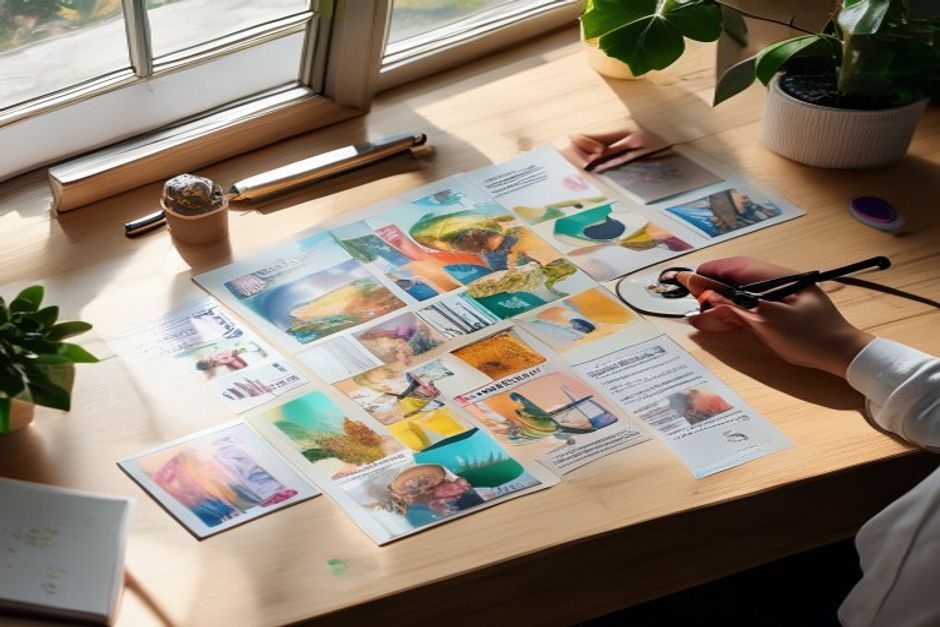
Are you ready to transform your aspirations into tangible achievements? In a world bustling with distractions, it's easy to lose sight of our deepest desires and true potential. What if there was a powerful, visually inspiring tool that could keep your dreams front and center, guiding your daily actions and manifesting your ideal life? Enter the life vision board guide. More than just a collage of pretty pictures, a vision board is a dynamic, personal blueprint for your future, a potent manifestation tool that aligns your subconscious mind with your conscious goals.

For centuries, individuals have harnessed the power of visualization to achieve their objectives. From athletes mentally rehearsing a perfect performance to entrepreneurs envisioning their next big breakthrough, the mind's ability to create a clear picture of success is unparalleled. A life vision board takes this ancient practice and gives it a tangible, ever-present form. It's a daily reminder of where you're headed, why you're working so hard, and what truly matters to you. As a life coach, I've seen firsthand the profound impact a well-crafted vision board can have on clarity, motivation, and ultimately, success.

What is a Life Vision Board?

Simply put, a vision board is a collection of images, photos, affirmations, and quotes that represent your goals, dreams, and ideal lifestyle. It's a visual representation of what you want to achieve, who you want to become, and how you want to feel. When you create a life vision board, you're not just crafting an art project; you're building a powerful visual anchor for your ambitions, making your abstract dreams concrete and compelling. This isn't about wishful thinking; it's about intentional creation and strategic focus.

Your vision board can be a physical board (cork, poster, or even a wall) or a digital one, composed of elements that resonate deeply with your aspirations across all areas of life: career, relationships, health and wellness, finances, personal growth, travel, and spirituality. The beauty of this tool lies in its flexibility and deeply personal nature.

Why Create a Life Vision Board?

The benefits of developing a personal life vision board extend far beyond simply having a pretty display. This potent tool offers multifaceted advantages for anyone committed to personal growth and goal attainment.

Enhanced Clarity

Creating your vision board forces you to confront and clarify your true desires across all areas of your life – career, relationships, health, personal development, and spirituality. This introspective process provides invaluable self-discovery, helping you understand what truly drives you and what your authentic future looks like.

Sustained Motivation

Seeing your aspirations visually represented daily serves as a constant source of inspiration. It reminds you why you're working hard and helps you overcome moments of doubt, procrastination, or burnout. When you feel discouraged, a glance at your board can rekindle your purpose.

Powerful Manifestation

The Law of Attraction suggests that 'like attracts like.' By consistently focusing on your desires through your vision board, you actively engage your subconscious mind. This heightened awareness helps you notice and attract the necessary resources, opportunities, and people into your life to make those dreams a reality. This is a core principle behind any effective life vision board guide.

Improved Focus

In a world full of distractions, your vision board acts as a laser focus for your goals. It helps you prioritize actions that align with your ultimate vision, preventing you from getting sidetracked by trivial matters or external noise. It's a constant filter for your decisions.

Your Step-by-Step Life Vision Board Guide

Ready to get started? Follow this comprehensive life vision board guide to create a powerful tool for your personal growth.

Step 1: Reflect and Envision (The Inner Work)

Before you pick up a single image, take time for deep introspection. This is the most crucial step. Grab a journal and reflect on these questions:

  • What do I want my life to look like in 1, 3, 5, or even 10 years?
  • What experiences do I want to have?
  • What kind of person do I want to become?
  • What brings me joy, peace, and fulfillment?
  • What are my biggest dreams and aspirations in career, relationships, health, finances, and personal development?

Don't hold back. Allow yourself to dream without limits. This clarity will be the foundation of your vision board.

Step 2: Gather Your Materials (The Tangible Elements)

For a physical board, you'll need:

  • A large poster board, corkboard, or even a piece of cardboard.
  • Magazines, newspapers, brochures, or printed images from the internet.
  • Scissors.
  • Glue stick or pushpins.
  • Markers, stickers, glitter (optional, but fun!).

For a digital board, consider using platforms like Pinterest, Canva, or a dedicated vision board app. The principle remains the same: curate inspiring visuals.

Step 3: Curate Your Imagery and Words (The Selection Process)

Now for the exciting part! Go through your gathered materials with your reflections from Step 1 in mind. Look for:

  • Images: Photos that visually represent your goals, feelings, and desired lifestyle. If you want to travel, find pictures of your dream destinations. If you desire a healthy lifestyle, find images of vibrant food, active people, or peaceful nature scenes.
  • Words and Phrases: Inspirational quotes, affirmations, single words that evoke powerful feelings (e.g., 'abundance,' 'peace,' 'courage'), or specific goals written out.
  • Colors and Textures: Don't underestimate the power of aesthetics. Choose elements that make you feel good and align with your desired emotions.

Cut out everything that resonates with you. Don't worry about perfection at this stage; just collect widely.

Step 4: Arrange with Intention (The Creation)

Begin to arrange your collected images and words on your board. There's no right or wrong way to do this, but here are some tips:

  • Central Theme: Many people place their biggest, most important goal or a picture of themselves in the center.
  • Balance: Try to distribute images representing different areas of your life evenly across the board.
  • Flow: Create a visually pleasing composition. Overlap images, group related themes, and leave space for new additions.
  • Affirmations: Strategically place affirmations where they will have the most impact.

Once you're happy with the layout, securely glue or pin everything in place. Take your time and enjoy the creative process. Remember, this is your vision.

Step 5: Activate and Engage (The Daily Practice)

Your vision board isn't a 'set it and forget it' tool. To truly unlock its power, you must engage with it regularly.

  • Prominent Placement: Place your vision board somewhere you'll see it every day – next to your bed, in your office, or on a frequently used wall. Make it unavoidable.
  • Daily Visualization: Spend a few minutes each day looking at your board. Immerse yourself in the feelings it evokes. Imagine yourself already achieving those goals. Feel the joy, the peace, the success.
  • Update and Evolve: Your dreams and goals may shift over time. Don't be afraid to update your vision board as you achieve goals or discover new aspirations. It's a living document of your journey.

Tips for Maximizing Your Vision Board's Power

  • Be Specific: The more specific your images and words, the clearer your message to yourself and the universe.
  • Focus on Feelings: Don't just pick images of 'things'; pick images that evoke the feeling you want to experience (e.g., 'freedom,' 'security,' 'love').
  • Positive Affirmations: Use 'I am' statements to reinforce your desired state. 'I am healthy,' 'I am abundant,' 'I am loved.'
  • Consistency is Key: Daily engagement is what transforms your board from a decorative item into a powerful manifestation tool.
  • Believe in the Process: Your belief in your ability to achieve these visions is a critical component of their manifestation.

Conclusion

Crafting a life vision board is an empowering journey of self-discovery and intentional creation. By following this life vision board guide, you're not just making a collage; you're building a powerful visual roadmap to your best life. It's a tangible commitment to your dreams, a daily dose of inspiration, and a constant reminder of your true potential.

So, what are you waiting for? Take the first step today to clarify your vision, ignite your motivation, and unlock the extraordinary life you deserve. Your future self will thank you.

In today's hyper-connected world, our attention is a precious commodity, constantly under siege from endless notifications, information overload, and the relentless scroll. While digital tools offer unparalleled convenience, they often come at the cost of our focus, well-being, and genuine connection. If you've ever felt overwhelmed, distracted, or simply 'on' all the time, you're not alone. The yearning for mental clarity and sustained attention is more prevalent than ever. This comprehensive sustainable digital detox guide is designed to help you navigate the complexities of modern digital life, offering practical, step-by-step strategies to reclaim your focus and foster a healthier relationship with technology. It's not about abandoning technology entirely, but about intentional use, creating boundaries, and rediscovering the peace that comes from being truly present.

Why a Digital Detox (and Why 'Sustainable'?)

A 'digital detox' often conjures images of abandoning your phone for a weekend in the wilderness. While such breaks can be refreshing, they rarely lead to lasting change. The key to true liberation from digital overwhelm lies in sustainability. A sustainable digital detox guide isn't about deprivation; it's about conscious choices. It's about designing a digital lifestyle that supports your goals, enhances your well-being, and allows you to harness technology's benefits without falling prey to its downsides. The goal is to build habits that stick, creating a harmonious balance rather than a temporary escape. This approach recognizes that technology is an integral part of our lives, and the aim is mastery, not avoidance.

Phase 1: Awareness & Assessment - Understanding Your Digital Footprint

Before you can change your habits, you must first understand them. This initial phase is crucial for laying the groundwork for your sustainable digital detox guide.

Identify Your Digital Habits and Triggers

  • Audit Your Usage: Take an honest look at how you spend your time online. Are there specific apps, platforms, or activities that consistently drain your energy or lead to distraction?
  • Track Screen Time: Most smartphones now have built-in tools (Screen Time on iOS, Digital Wellbeing on Android) that provide detailed reports of your app usage. Pay attention to peaks and troughs throughout your day.
  • Recognize Your Triggers: What drives you to pick up your phone or open that app? Is it boredom, stress, loneliness, or a fear of missing out (FOMO)? Understanding these triggers is the first step to managing them.

Phase 2: Strategic Reduction & Setting Boundaries - Crafting Your New Digital Landscape

With awareness comes the power to make intentional changes. This phase of your sustainable digital detox guide focuses on creating tangible boundaries.

Implement 'Tech-Free' Zones and Times

  • Bedroom Boundary: Make your bedroom a sacred, screen-free sanctuary. Charge your phone outside the room and opt for an analog alarm clock.
  • Mealtime Mindfulness: Designate meals as phone-free times, fostering better conversation and more mindful eating.
  • Morning & Evening Routines: Avoid checking your phone for the first hour after waking and the last hour before bed. Use this time for reflection, reading, or quiet activities.

Curate Your Digital Environment

  • Notification Overhaul: Turn off all non-essential notifications. For most apps, you don't need instant alerts. Batch-check messages and emails.
  • Declutter Your Apps: Delete apps you rarely use or those that are significant time sinks. Organize your home screen to prioritize productivity tools over distracting ones.
  • Unfollow & Unsubscribe: Be ruthless about who and what you follow on social media and subscribe to via email. Curate feeds that genuinely inspire, inform, or entertain you, not those that provoke comparison or anxiety.

Phase 3: Cultivating Offline Habits & Replacements - Filling the Void Productively

Reducing screen time creates a void, and how you fill that void is critical to the success of your sustainable digital detox guide. Don't just avoid; replace.

Rediscover Analog Pleasures

  • Engage in Hobbies: Reconnect with old hobbies or explore new ones – reading physical books, painting, playing an instrument, gardening, cooking, or journaling.
  • Connect with Nature: Spend time outdoors. A walk in the park, a hike, or simply sitting in your backyard can significantly reduce stress and improve mood.
  • Prioritize In-Person Connections: Make an effort to meet friends and family face-to-face. Real-life interactions are far more enriching than digital ones.
  • Mindfulness & Meditation: Incorporate mindfulness practices into your daily routine. Even a few minutes of meditation can enhance focus and reduce reactivity.

Phase 4: Maintaining Momentum & Adjusting - The Long Game of Digital Wellness

A sustainable detox isn't a one-time event; it's an ongoing practice. This final phase of your sustainable digital detox guide is about long-term integration.

Regular Check-ins and Flexibility

  • Weekly Review: Dedicate a short time each week to review your screen time data and assess how you're feeling. Are your boundaries working? Do you need to adjust?
  • Be Kind to Yourself: Slips happen. Don't let one lapse derail your progress. Acknowledge it, learn from it, and gently guide yourself back on track.
  • Adapt as Needed: Life changes, and so should your digital habits. What works today might need tweaking tomorrow. Stay flexible and open to adjusting your strategy.

Benefits of a Sustainable Digital Detox

Embracing a sustainable digital detox guide offers a wealth of transformative benefits:

  • Enhanced Focus and Concentration: By reducing distractions, you'll find it easier to concentrate on tasks, leading to higher quality work and deeper engagement.
  • Improved Mental Clarity and Creativity: Less digital noise translates to more mental space for original thought, problem-solving, and creative pursuits.
  • Reduced Stress and Anxiety: Stepping away from the constant 'on' switch can significantly lower feelings of overwhelm and anxiety associated with digital bombardment.
  • Better Sleep Quality: Avoiding screens before bed can improve your circadian rhythm, leading to more restorative sleep.
  • Stronger Relationships: When you're truly present, your connections with loved ones deepen, fostering more meaningful interactions.
  • Increased Productivity: Counter-intuitively, less screen time often leads to more productivity as you engage in focused work periods rather than fragmented, distracted efforts.

Conclusion

Embarking on a sustainable digital detox guide is one of the most empowering steps you can take toward a more focused, fulfilling, and present life. It's a journey of self-discovery, where you learn to master your technology rather than being mastered by it. Remember, the goal isn't to disconnect entirely but to connect more deeply – with yourself, with others, and with the world around you. Start small, be consistent, and celebrate every step you take towards reclaiming your precious attention. Your future self will thank you for the gift of a truly present life.

Bounce Back Stronger: Cultivating a Resilient Growth Mindset After Life's Setbacks

Life is a series of peaks and valleys, a journey filled with triumphs and, inevitably, setbacks. Whether it's a career loss, a relationship ending, a health challenge, or simply not achieving a long-held goal, adversity is an undeniable part of the human experience. The true measure of our character isn't whether we face these challenges, but how we respond to them. This is where the powerful combination of growth mindset resilience comes into play – a transformative approach that turns obstacles into opportunities for profound personal development.

At [Your Website Name], we believe that everyone possesses the inherent capacity to not just survive setbacks, but to thrive because of them. It's about shifting your perspective from 'I failed' to 'What can I learn from this?' and building an internal fortress of strength and adaptability.

Understanding the Pillars: Growth Mindset and Resilience

Before we dive into the 'how,' let's clarify the two fundamental concepts that form the bedrock of bouncing back stronger:

  • Growth Mindset: Coined by Dr. Carol Dweck, a growth mindset is the belief that your abilities and intelligence can be developed through dedication and hard work. Individuals with a growth mindset embrace challenges, learn from criticism, see effort as a path to mastery, and find inspiration in the success of others. They don't believe their qualities are fixed; rather, they see potential for continuous growth.

  • Resilience: This is the capacity to recover quickly from difficulties; toughness. It's not about avoiding pain or disappointment, but about navigating through it, adapting, and emerging with greater strength and wisdom. Resilient individuals possess emotional agility, problem-solving skills, and a strong sense of purpose.

When these two powerful forces merge, you unlock an extraordinary ability to transform adversity. A growth mindset resilience approach allows you to view setbacks not as endpoints, but as crucial data points, offering invaluable lessons for your next ascent.

The Science Behind Bouncing Back

Neuroscience shows that our brains are incredibly plastic – capable of changing and adapting throughout our lives. This neuroplasticity is the biological basis for developing a growth mindset. Every time you choose to learn from a mistake, persist through a difficulty, or try a new strategy, you're literally rewiring your brain for greater flexibility and strength. Resilient individuals often exhibit higher levels of emotional regulation and a stronger prefrontal cortex, the area of the brain responsible for planning and decision-making.

Cultivating Your Resilient Growth Mindset: Practical Strategies

It's one thing to understand the concepts; it's another to embody them. Here's how you can actively cultivate growth mindset resilience in your daily life:

1. Reframe Failure as Feedback

Instead of viewing a setback as a definitive 'failure,' see it as valuable feedback. Ask yourself: * 'What did I learn from this experience?' * 'What could I do differently next time?' * 'How has this setback prepared me for future success?'

This reframing shifts your focus from blame to learning, a hallmark of the growth mindset.

2. Embrace the Power of 'Yet'

When facing a challenge, instead of saying, 'I can't do it,' add the word 'yet.' For example, 'I haven't mastered this skill yet,' or 'I haven't found a solution yet.' This simple linguistic shift opens the door to possibility and effort, reinforcing the belief that abilities can be developed.

3. Develop Self-Compassion

It's easy to be hard on ourselves when things go wrong. Practice self-compassion by treating yourself with the same kindness and understanding you would offer a good friend. Acknowledge your pain, validate your feelings, and remind yourself that imperfections and struggles are part of being human. Self-compassion is a cornerstone of true resilience, allowing you to heal and move forward without the added burden of self-criticism.

4. Build a Strong Support System

No one thrives in isolation. Surround yourself with people who believe in you, offer constructive feedback, and celebrate your efforts. Your 'inner circle' can provide perspective, encouragement, and practical assistance when you need it most. Sharing your struggles can also reduce their weight and provide new insights.

5. Practice Mindful Awareness and Emotional Regulation

Resilience isn't about suppressing emotions; it's about acknowledging and managing them. Mindfulness practices – such as meditation or deep breathing – can help you observe your thoughts and feelings without judgment. This awareness allows you to respond thoughtfully to difficult situations rather than reacting impulsively. Develop strategies to calm your nervous system and regain control during stressful times.

6. Set Realistic, Incremental Goals

After a setback, it's tempting to either give up entirely or set overly ambitious goals to 'catch up.' Instead, break down your larger aspirations into smaller, manageable steps. Celebrate each small victory. This builds momentum, reinforces your capabilities, and prevents overwhelm, fostering a sustained sense of progress and motivation.

7. Learn from Role Models

Look to individuals who have overcome significant adversity. How did they approach their challenges? What strategies did they employ? Understanding their journeys can provide inspiration and practical blueprints for cultivating your own growth mindset resilience.

The Journey Ahead

Cultivating a resilient growth mindset is not a one-time fix; it's an ongoing journey of self-discovery, learning, and courageous action. It's about consciously choosing to interpret challenges as opportunities, to learn rather than lament, and to persist rather than surrender.

As your life coach, I am here to guide you through this transformative process, helping you uncover your innate strength and develop the practical tools to not just face setbacks, but to leverage them as powerful catalysts for unprecedented growth. Embrace the mindset that says, 'I may not be there yet, but I'm learning, evolving, and growing stronger with every step.'

Ready to transform your challenges into your greatest triumphs? Explore our coaching programs designed to empower your growth mindset resilience journey today.

Copyright (c) 2026 Powered by HTMLy