In today's hyper-connected world, our attention is a precious commodity, constantly under siege from endless notifications, information overload, and the relentless scroll. While digital tools offer unparalleled convenience, they often come at the cost of our focus, well-being, and genuine connection. If you've ever felt overwhelmed, distracted, or simply 'on' all the time, you're not alone. The yearning for mental clarity and sustained attention is more prevalent than ever. This comprehensive sustainable digital detox guide is designed to help you navigate the complexities of modern digital life, offering practical, step-by-step strategies to reclaim your focus and foster a healthier relationship with technology. It's not about abandoning technology entirely, but about intentional use, creating boundaries, and rediscovering the peace that comes from being truly present.
Why a Digital Detox (and Why 'Sustainable'?)
A 'digital detox' often conjures images of abandoning your phone for a weekend in the wilderness. While such breaks can be refreshing, they rarely lead to lasting change. The key to true liberation from digital overwhelm lies in sustainability. A sustainable digital detox guide isn't about deprivation; it's about conscious choices. It's about designing a digital lifestyle that supports your goals, enhances your well-being, and allows you to harness technology's benefits without falling prey to its downsides. The goal is to build habits that stick, creating a harmonious balance rather than a temporary escape. This approach recognizes that technology is an integral part of our lives, and the aim is mastery, not avoidance.
Phase 1: Awareness & Assessment - Understanding Your Digital Footprint
Before you can change your habits, you must first understand them. This initial phase is crucial for laying the groundwork for your sustainable digital detox guide.
Identify Your Digital Habits and Triggers
- Audit Your Usage: Take an honest look at how you spend your time online. Are there specific apps, platforms, or activities that consistently drain your energy or lead to distraction?
- Track Screen Time: Most smartphones now have built-in tools (Screen Time on iOS, Digital Wellbeing on Android) that provide detailed reports of your app usage. Pay attention to peaks and troughs throughout your day.
- Recognize Your Triggers: What drives you to pick up your phone or open that app? Is it boredom, stress, loneliness, or a fear of missing out (FOMO)? Understanding these triggers is the first step to managing them.
Phase 2: Strategic Reduction & Setting Boundaries - Crafting Your New Digital Landscape
With awareness comes the power to make intentional changes. This phase of your sustainable digital detox guide focuses on creating tangible boundaries.
Implement 'Tech-Free' Zones and Times
- Bedroom Boundary: Make your bedroom a sacred, screen-free sanctuary. Charge your phone outside the room and opt for an analog alarm clock.
- Mealtime Mindfulness: Designate meals as phone-free times, fostering better conversation and more mindful eating.
- Morning & Evening Routines: Avoid checking your phone for the first hour after waking and the last hour before bed. Use this time for reflection, reading, or quiet activities.
Curate Your Digital Environment
- Notification Overhaul: Turn off all non-essential notifications. For most apps, you don't need instant alerts. Batch-check messages and emails.
- Declutter Your Apps: Delete apps you rarely use or those that are significant time sinks. Organize your home screen to prioritize productivity tools over distracting ones.
- Unfollow & Unsubscribe: Be ruthless about who and what you follow on social media and subscribe to via email. Curate feeds that genuinely inspire, inform, or entertain you, not those that provoke comparison or anxiety.
Phase 3: Cultivating Offline Habits & Replacements - Filling the Void Productively
Reducing screen time creates a void, and how you fill that void is critical to the success of your sustainable digital detox guide. Don't just avoid; replace.
Rediscover Analog Pleasures
- Engage in Hobbies: Reconnect with old hobbies or explore new ones – reading physical books, painting, playing an instrument, gardening, cooking, or journaling.
- Connect with Nature: Spend time outdoors. A walk in the park, a hike, or simply sitting in your backyard can significantly reduce stress and improve mood.
- Prioritize In-Person Connections: Make an effort to meet friends and family face-to-face. Real-life interactions are far more enriching than digital ones.
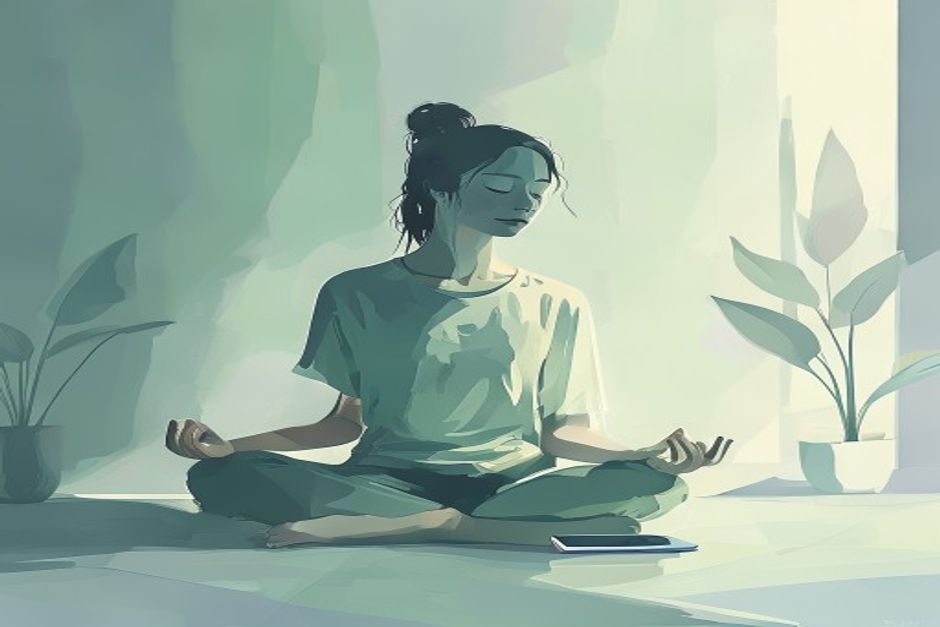
- Mindfulness & Meditation: Incorporate mindfulness practices into your daily routine. Even a few minutes of meditation can enhance focus and reduce reactivity.
Phase 4: Maintaining Momentum & Adjusting - The Long Game of Digital Wellness
A sustainable detox isn't a one-time event; it's an ongoing practice. This final phase of your sustainable digital detox guide is about long-term integration.
Regular Check-ins and Flexibility
- Weekly Review: Dedicate a short time each week to review your screen time data and assess how you're feeling. Are your boundaries working? Do you need to adjust?
- Be Kind to Yourself: Slips happen. Don't let one lapse derail your progress. Acknowledge it, learn from it, and gently guide yourself back on track.
- Adapt as Needed: Life changes, and so should your digital habits. What works today might need tweaking tomorrow. Stay flexible and open to adjusting your strategy.
Benefits of a Sustainable Digital Detox
Embracing a sustainable digital detox guide offers a wealth of transformative benefits:
- Enhanced Focus and Concentration: By reducing distractions, you'll find it easier to concentrate on tasks, leading to higher quality work and deeper engagement.
- Improved Mental Clarity and Creativity: Less digital noise translates to more mental space for original thought, problem-solving, and creative pursuits.
- Reduced Stress and Anxiety: Stepping away from the constant 'on' switch can significantly lower feelings of overwhelm and anxiety associated with digital bombardment.
- Better Sleep Quality: Avoiding screens before bed can improve your circadian rhythm, leading to more restorative sleep.
- Stronger Relationships: When you're truly present, your connections with loved ones deepen, fostering more meaningful interactions.
- Increased Productivity: Counter-intuitively, less screen time often leads to more productivity as you engage in focused work periods rather than fragmented, distracted efforts.
Conclusion
Embarking on a sustainable digital detox guide is one of the most empowering steps you can take toward a more focused, fulfilling, and present life. It's a journey of self-discovery, where you learn to master your technology rather than being mastered by it. Remember, the goal isn't to disconnect entirely but to connect more deeply – with yourself, with others, and with the world around you. Start small, be consistent, and celebrate every step you take towards reclaiming your precious attention. Your future self will thank you for the gift of a truly present life.